Blog
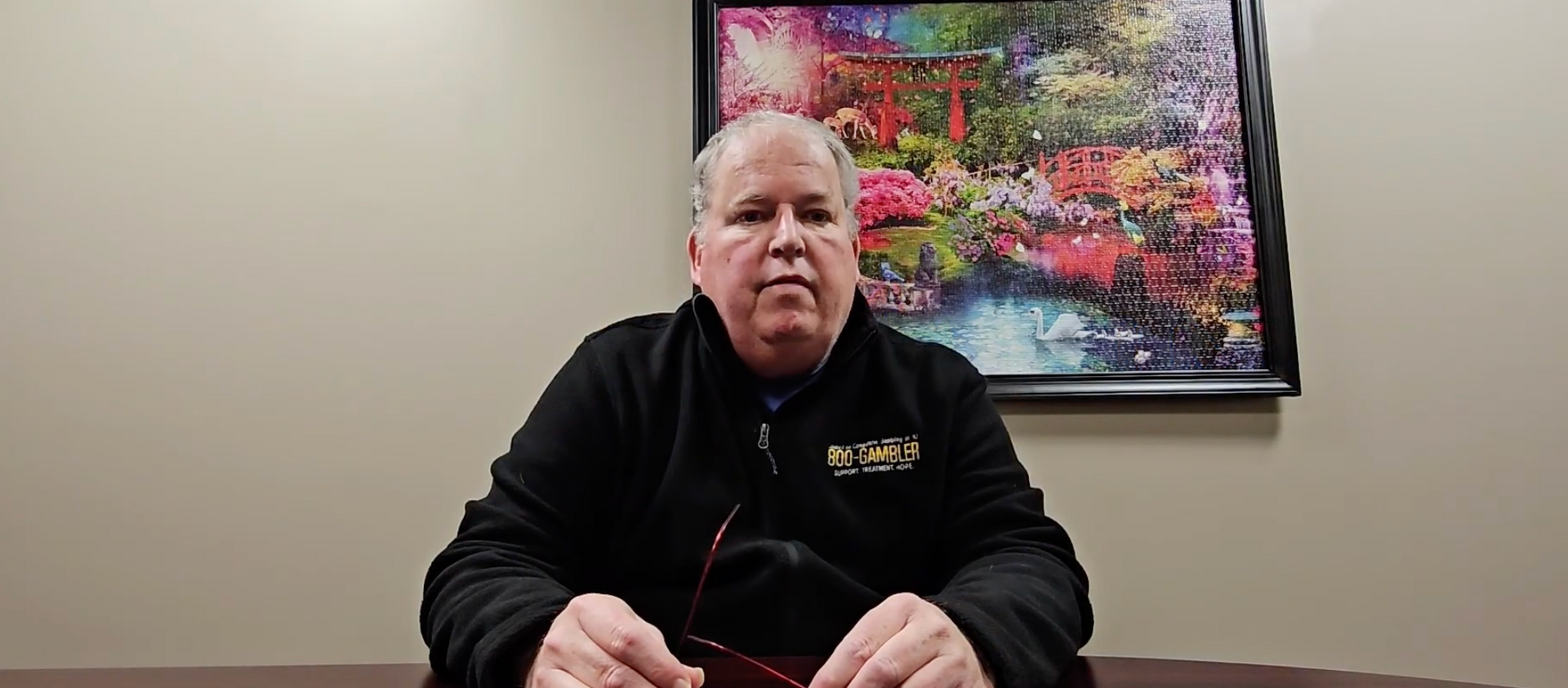
“I went in with OCD symptoms, and after treatment I’m feeling much better… the staff was wonderful - I highly recommend the crew at Elevium.” Joe K., former patient When someone with obsessive-compulsive disorder (OCD) finds a treatment that improves day-to-day life, their story becomes a helpful roadmap for others. Joe K.’s short, honest testimonial does exactly that: it shows what clinical progress looks like and reminds us that compassionate care matters just as much as effective treatment. Below, we use Joe’s experience as a human anchor to explain how Transcranial Magnetic Stimulation (TMS) is used for OCD, what a typical program involves, and practical advice for people and families thinking about this option. Joe’s Experience in His Own Words Joe came to Elevium seeking relief from OCD symptoms. His report is straightforward: after a course of TMS, he felt meaningful improvement, and he was impressed with the clinic team’s care and professionalism. That combination -measurable symptom change plus strong clinical support — is what many patients say makes treatment successful. (Source: Joe’s testimonial.) A clinician’s View: Why TMS Can Help OCD TMS is a non-invasive therapy that uses focused magnetic pulses to influence brain circuits tied to mood, intrusive thoughts, and compulsive behaviors. While TMS is widely used for depression, specialized protocols target cortical and cortico-striatal pathways involved in OCD. Clinical teams deliver tailored stimulation patterns to reduce the intensity and frequency of intrusive thoughts and compulsions. Elevium’s approach follows the evidence-based protocols clinicians use for OCD and integrates careful monitoring throughout treatment. What a Typical TMS Program for OCD Looks Like Although protocols differ between centers, an OCD-focused TMS program commonly includes: Initial evaluation. A comprehensive clinical assessment (psychiatric history, medical screening, medication review) to confirm candidacy and rule out safety concerns. Daily sessions. Most programs provide daily outpatient sessions five days per week over several weeks; each session usually takes 20–40 minutes. Ongoing monitoring. Clinicians track symptom changes and side effects and adjust the protocol as needed. Integrated aftercare. Outcomes improve when TMS is combined with psychotherapy (CBT) or medication management , and some patients later receive booster sessions to maintain gains. Joe’s story emphasizes the team element - staff who support scheduling, answer questions, and help patients manage the logistics of daily treatment. That practical support reduces drop-out and improves real-world outcomes. What the Evidence Says Research and clinical experience show that when OCD-specific TMS targets are used, a meaningful percentage of patients - particularly those who have not responded fully to medication and therapy — experience reductions in intrusive thoughts and compulsions. Results vary by individual, but combining TMS with evidence-based psychotherapy produces greater, longer-lasting improvements in many cases.

A first consultation for Transcranial Magnetic Stimulation (TMS) or ketamine therapy is an important conversation - not just about the treatment itself, but about your goals, safety, logistics, and costs. Use this 20-item checklist to make the most of your visit. For each question below, we explain why it matters and what a clear answer might sound like. Questions about eligibility & clinical fit Am I a good candidate for this treatment? Why: Candidacy depends on diagnosis, treatment history and medical risks. What to expect: The clinician should review your psychiatric and medical history and explain why TMS or ketamine is (or isn’t) appropriate. What evidence supports this treatment for my condition? Why: You should hear about clinical outcomes and the strength of evidence for your diagnosis. Good answer: A clinician references studies or guidelines, and explains expected response rates and what success looks like for your condition. Have I tried other recommended treatments first? Why: Many protocols call for prior trials of therapy/medication before advanced options. What to expect: A review of past medications, psychotherapy, and reasons you’re considering TMS/ketamine now. Are there medical risks or reasons I should not receive treatment? Why: Safety screening (seizure risk, implants, cardiovascular issues) is critical. Good answer: The team will ask focused medical questions and describe contraindications and monitoring plans. How do you determine the exact protocol (dose, number of sessions)? Why: Protocols differ ( standard vs accelerated TMS ; oral/IM/IV ketamine). You should understand selection logic. What to expect: Clinicians explain motor threshold testing (TMS), session frequency, or ketamine route and dosing rationale. Will I need anything else alongside this treatment (therapy, meds)? Why: Combining TMS or ketamine with psychotherapy or medication often improves outcomes. Good answer: A recommendation for follow-up therapy (often CBT) or medication adjustments as part of a treatment plan.
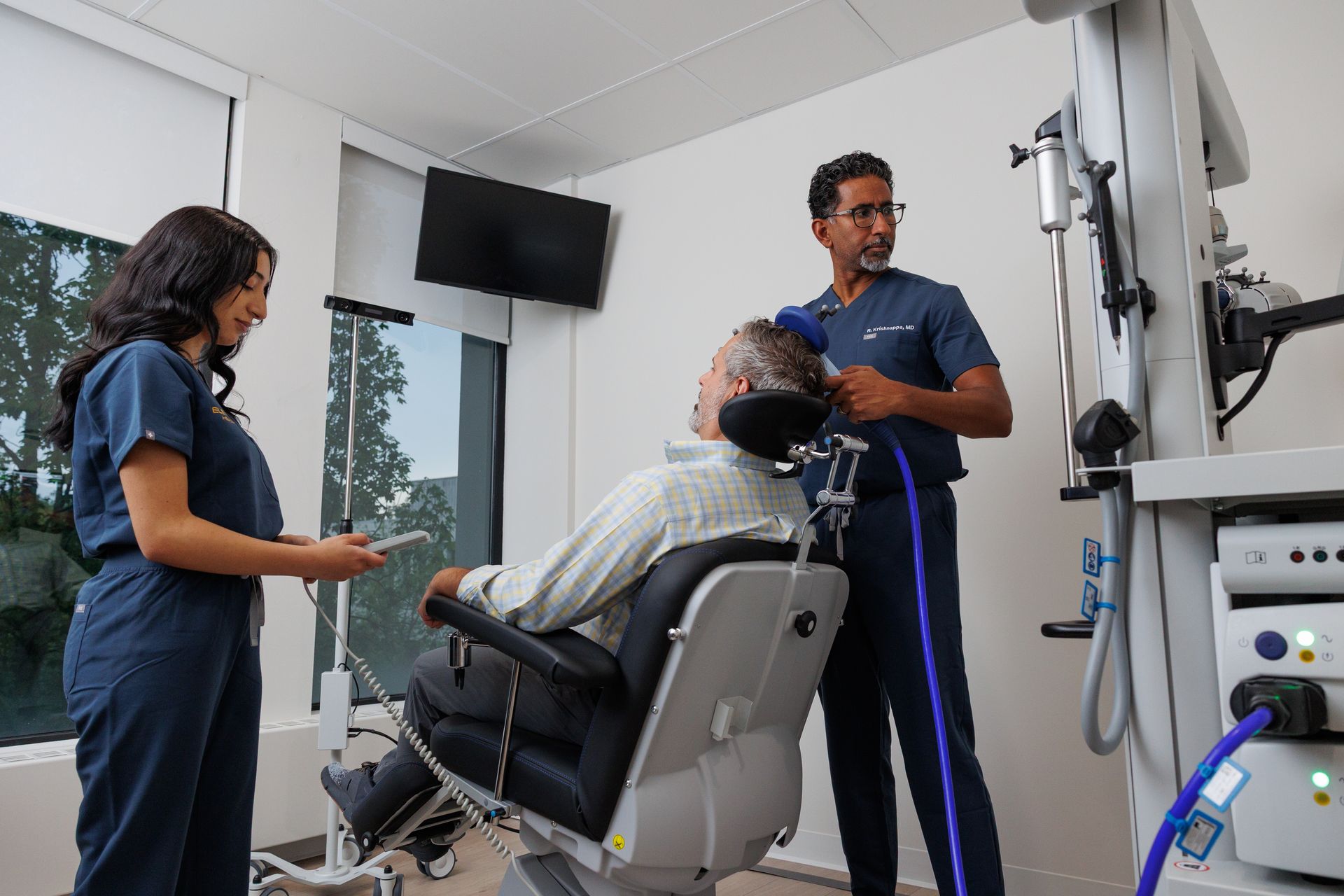
Quick Answer Accelerated TMS - typically delivered with condensed iTBS protocols that allow multiple short sessions per day - is best for people who need faster symptom relief, can’t commit to a 4–6 week schedule, or are willing to travel for a focused treatment week. It’s a safe, evidence-based option for many people with treatment-resistant depression and certain other conditions, but candidacy requires a careful clinical evaluation and screening. What is Accelerated TMS (briefly)? Accelerated TMS uses established TMS technology (magnetic pulses to stimulate brain circuits) but delivers multiple short sessions per day instead of one session daily over many weeks. The most common accelerated approach uses iTBS (intermittent theta-burst stimulation) — sessions are very short (often 3–10 minutes), and a full course can be completed in days rather than weeks. Some accelerated programs deliver ~10 sessions per day × 5 days (≈50 sessions total), though exact protocols vary by clinic and patient. How does it work (in plain language)? TMS targets brain regions involved in mood regulation ( usually the left dorsolateral prefrontal cortex for depression ) using a magnetic coil placed against the scalp. iTBS delivers rapid bursts of stimulation that are thought to induce neuroplastic changes faster than standard repetitive TMS (rTMS). The logistics differ — accelerated protocols schedule several short sessions with breaks during a single clinic day, repeated for a condensed course. Clinically, safety and motor-threshold calibration are performed for every patient to ensure correct dosing. Who’s a good candidate for accelerated TMS? Good candidates often include people who: Have major depressive disorder that hasn’t responded adequately to one or more antidepressant trials and psychotherapy (treatment-resistant depression). Need rapid treatment due to life constraints (work, caregiving) and cannot commit to daily sessions for 4–6 weeks. Prefer a non-systemic option (no sedation or systemic medication side effects) or can’t tolerate antidepressant side effects. Can attend multiple short sessions in a single day (physically and logistically) or are willing to travel and stay near the clinic for the week. Want discreet care — executives and high-profile patients who value private scheduling and billing often choose accelerated protocols paired with concierge services. Who may be especially suited to travel for accelerated TMS: NYC commuters who can’t take weeks off but can plan a single intensive week. Out-of-state patients seeking clinics with extensive accelerated experience. Professionals and executives seeking privacy and concierge scheduling. Elevium’s destination & concierge workflows were developed to support these patients.
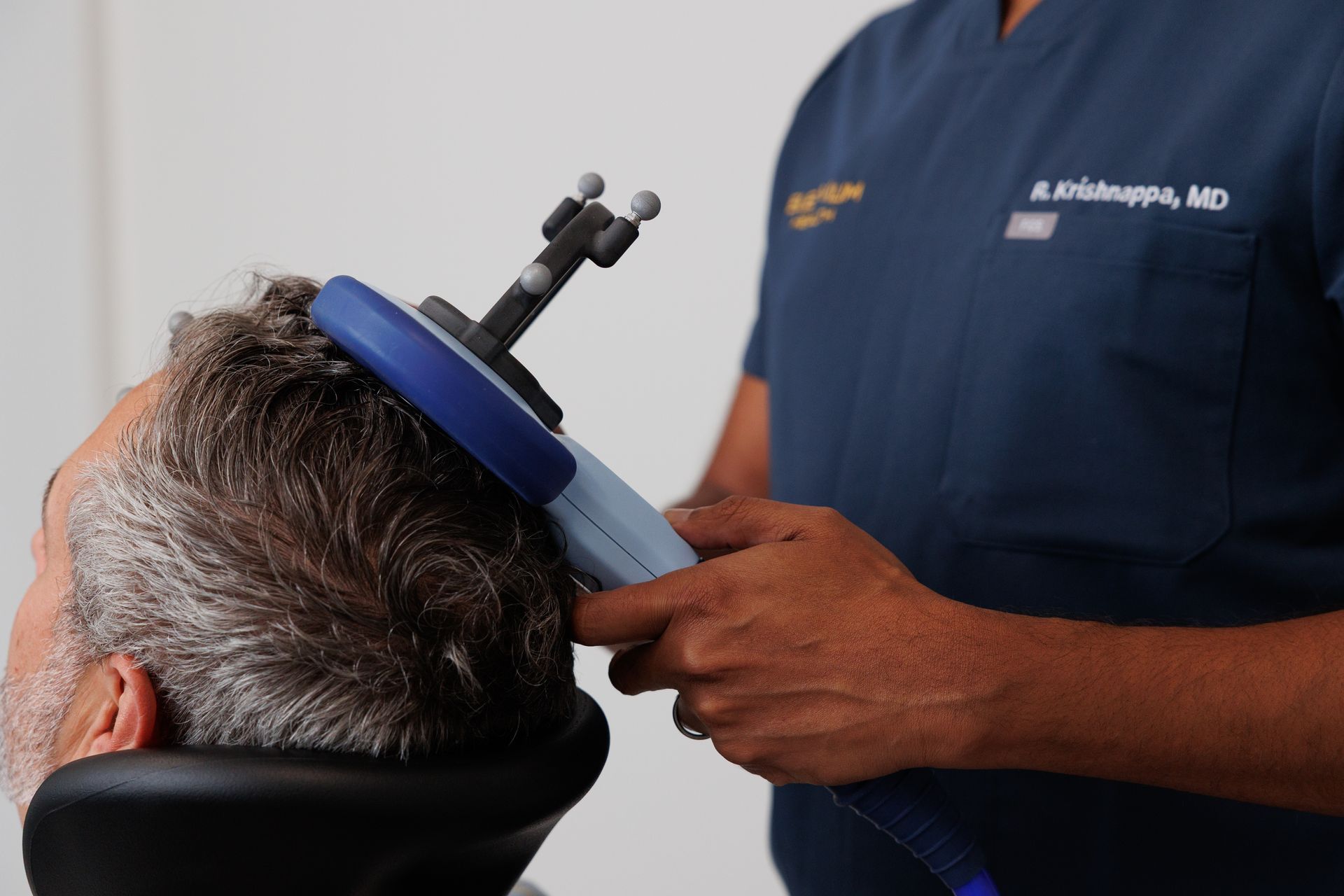
Quick overview Your first TMS visit is an important step — and a little preparation makes it smooth. This guide walks you through exactly what to do before, on the day of, and after your first Transcranial Magnetic Stimulation (TMS) session so you arrive prepared, reduce anxiety, and speed your path to care. If you’re traveling or want private scheduling, see the concierge note at the end. Complete your intake BEFORE you arrive (do this first) Finish the forms in the Tebra Patient Portal. This is the fastest way to upload medication lists, records, consent forms, and any questionnaires the clinic uses. Elevium puts the Tebra link in the top navigation — please use it before you visit speed screening and check-in. Send recent records. Upload recent psychiatric notes, medication lists (dose & dates), and any relevant lab results or imaging. If you don’t have records, ask your prior clinician for a summary. Complete a telehealth pre-screen (if offered). Many clinics do a brief tele-visit to review history and answer questions before in-person titration. Confirm medical screening & clearance Seizure & implant screening. TMS requires a safety review for seizure history and intracranial metal/implants. Be honest about any prior seizures, head trauma, or metal hardware. Seizures are rare with proper screening and protocol adherence. Medication review. Bring a full list of current medications (including OTC and supplements). Some meds affect seizure threshold and may require temporary adjustment. Your prescribing clinician will advise. Medical clearance (if needed). If you have cardiac issues, uncontrolled hypertension, or other complex medical conditions, your clinic may request clearance from your PCP or cardiologist. Practical checklist - what to bring Photo ID and insurance card (if using insurance). A printed or digital medication list (drug name, dose, frequency). Completed intake forms from the Tebra Patient Portal (bring confirmation or screen shot). Comfortable, layered clothing (temperature in clinics varies). Snacks and a water bottle for between sessions. Phone charger, headphones, or reading material for breaks. Emergency contact/escort info if your clinic recommends it (most TMS do not require a driver, but check clinic guidance). What to expect on your first session (timeline) Arrival & check-in (10–20 minutes) Sign the consent forms (if not completed), confirm your medical history, and have vitals taken. Psychiatric intake & consent review (30–60 minutes) A clinician reviews diagnosis, meds, benefits/risks, and answers questions. Motor threshold titration (30–60 minutes) A short calibration procedure finds the appropriate stimulation intensity for you. This ensures dosing is safe and personalized. First stimulation block (varies, often <30 minutes) You’ll experience tapping on the scalp. Technicians monitor your comfort frequently. Headache or scalp discomfort can occur and usually improves. Post-session check & scheduling (10–15 minutes) Clinician reviews how you felt and schedules follow-ups. For accelerated programs, you’ll get the daily schedule for upcoming sessions.
Quick answer TMS - a non-invasive brain stimulation therapy - is an emerging, evidence-based option for some anxiety disorders, especially when anxiety appears with depression or is resistant to standard treatments. Protocols vary (standard rTMS, iTBS, and device-specific approaches), and candidacy depends on diagnosis, prior treatment history, and medical safety screening. Elevium offers TMS as part of an integrated plan that pairs neuromodulation with psychotherapy and medication management when appropriate. What the evidence says (short) Research on TMS for anxiety disorders is growing. Clinical trials and real-world studies show promising improvements for generalized anxiety disorder (GAD), panic disorder, and anxiety that co-occurs with depression . Outcomes vary by diagnosis, treatment history, and the specific TMS protocol used. Unlike the large evidence base for TMS in major depressive disorder, anxiety research is more heterogeneous - but many clinics, including Elevium, consider TMS a reasonable next step when therapy and medications are insufficient. Clinicians track outcomes with validated scales such as the GAD-7 and PHQ-9 to measure change. How TMS is delivered for anxiety (protocols) There’s no single “anxiety protocol” — treatment is individualized. Common approaches include: Standard rTMS : repetitive pulses over the dorsolateral prefrontal cortex (DLPFC) — often used when anxiety co-exists with depression. iTBS (intermittent theta burst stimulation): a shorter, accelerated protocol that delivers bursts of stimulation in minutes rather than half-hour sessions. iTBS can be used in standard or accelerated formats. Device/target variations: Some centers tailor the exact coil position and parameters based on symptoms (for example, left vs right DLPFC targeting or medial prefrontal approaches), particularly when anxiety presents with specific network dysfunction. Device-specific programs (including deep TMS for OCD ) demonstrate that coil geometry and target depth can matter for certain diagnoses. Important: Your clinician chooses the protocol after a detailed evaluation (diagnosis, prior trials, and safety screening) and may combine TMS with psychotherapy (CBT, exposure therapy) or medication management to maximize results. Who is a good candidate? TMS for anxiety is usually considered for people who meet one or more of the following: Persistent or severe anxiety despite adequate trials of psychotherapy (for example, CBT or exposure-based treatments) and medications. Comorbid depression + anxiety, where standard TMS depression protocols can improve both mood and anxious symptoms. Occupational need for non-sedating options (e.g., first responders, safety-sensitive jobs) who want a non-systemic approach to symptom relief. Patients seeking accelerated care (time-limited professionals/commuters or destination patients) who can tolerate intensive schedules. Those who prefer to avoid medication side effects or need an additional option when medications aren’t tolerated. Who may not be a candidate: individuals with uncontrolled seizure disorders, certain intracranial metal implants, or unstable medical conditions. Active psychosis or uncontrolled substance use would also typically require stabilization first. Clinics perform a careful medical and medication review to identify contraindications. Read More: Is TMS Right For Me? Typical patient profiles & examples GAD with partial medication response: A patient with chronic generalized anxiety who improved partially on SSRIs but still has disabling worry may benefit from TMS combined with CBT. Panic disorder with avoidance: When panic persists despite therapy and meds, targeted TMS plus exposure/CBT may reduce physiological reactivity and support behavioral recovery. Comorbid depression + anxiety: Many patients with mixed presentations respond to standard depression-targeted TMS, with concurrent reductions in anxiety symptoms. First responders / safety-sensitive workers: TMS offers a non-systemic path when medications are constrained by duty requirements — Elevium develops return-to-duty plans in coordination with employers and medical officers.

Why this matters First responders and public safety workers face unique clinical and occupational constraints: certain medications can impair alertness or reaction time, and some roles (firefighters, police officers, air-crew) require careful consideration of fitness for duty. TMS is a non-systemic, non-sedating intervention that can be an important treatment option when medication choices are limited by duty requirements. Elevium’s model supports duty-sensitive care, departmental outreach, and return-to-duty planning to help workers recover safely while maintaining public safety. Key clinical advantage: non-systemic option TMS is non-systemic — it does not require daily oral medication and does not carry the same systemic side effects (sedation, slowed reaction time) that can limit occupational fitness. Because TMS stimulates target brain circuits externally , many first responders tolerate it without effects that would interfere with duty. This makes TMS an attractive alternative or adjunct when medications are contraindicated for work reasons. Medication limitations & common duty concerns Many commonly used psychiatric medications may pose challenges for safety-sensitive occupations: Sedative medications (benzodiazepines, sedating hypnotics) can impair judgment, alertness, and motor skills — often disqualifying for duty. Certain antidepressants can cause sedation, orthostatic hypotension, or slowed reaction time in some patients, which requires monitoring. Medications that alter cognition or cause profound fatigue are generally avoided or used with caution in active duty roles. Controlled substances and substances that affect performance may require special workplace policies and monitoring. Because of these constraints, departments often seek non-pharmacologic options or medication regimens that preserve alertness and safety. Elevium’s medication-management team works closely with occupational medical officers to find duty-compatible plans and to document clinical rationale when medications are necessary. Evidence & candidate profiles Who might benefit First responders with major depressive disorder or co-occurring anxiety who either cannot tolerate standard medications or have occupation-related medication restrictions. Workers with treatment-resistant symptoms despite therapy and limited medication options. Personnel seeking a non-sedating, evidence-based treatment option that can be coordinated with employers. Evidence TMS has a robust evidence base for major depressive disorder and growing support for anxiety and other comorbid conditions. While device protocols differ ( standard rTMS, iTBS, deep TMS for specific diagnoses ), many clinics have successfully adapted TMS pathways for duty-sensitive workers with careful screening and coordination. Outcomes are measured with standardized scales, and return-to-duty readiness is evaluated case-by-case. Practical duty considerations & return-to-duty planning Screening & medical clearance Medical and medication review (seizure history, implants, cardiovascular risk). Coordination with occupational medicine or department medical officers for fitness-for-duty assessment. On-treatment monitoring TMS requires no systemic anesthesia; most patients resume normal activity after sessions. Clinicians still evaluate fatigue or headaches that may temporarily affect duty readiness. For accelerated protocols (condensed schedules), plan for potential short-term fatigue during the treatment week. Departments may prefer light duty for intensive days. Return-to-duty steps Documented clinical improvement using validated scales (PHQ-9, GAD-7, CGI). Occupational assessment by department medical officer, incorporating clinician notes and functional status. Stepwise clearance — phased or modified duty as needed (e.g., limited-field assignments, no heavy equipment) with re-evaluation intervals. Maintenance & follow-up — booster TMS sessions or ongoing psychotherapy/medication as clinically indicated. Elevium develops return-to-duty plans in partnership with departments to balance recovery and public safety. Alternatives & complementary pathways Standard TMS (daily sessions over weeks) — useful when time allows and for stable schedules. Accelerated TMS / iTBS — condensed options for time-limited workers or destination patients; requires planning for daily onsite time and possible short-term fatigue. Psychotherapy (CBT/ERP) — essential for anxiety/PTSD and to consolidate gains from TMS. Careful medication strategies — where medications are necessary, choice and dosing are customized to minimize duty impairment; occupational restrictions are explicitly addressed. Spravato / ketamine — these options can have rapid effects but require in-clinic monitoring (Spravato REMS — ≥2 hours observation) or may cause dissociation; they may be unsuitable for immediate return to duty and often require careful clearance.
Quick answer Both standard rTMS and accelerated iTBS use the same TMS technology to stimulate brain circuits involved in mood. Standard rTMS spreads treatment over 4–6 weeks (one session/day), while accelerated protocols compress multiple short sessions into days (e.g., 10 sessions/day × 5 days). Many patients achieve similar clinical benefits with either approach, but they differ in logistics, evidence-based maturity, and who they suit best. Clinicians pick the protocol based on clinical history, safety, time constraints, and patient preference. What each approach is — in plain language Standard rTMS (traditional) What it is: Repetitive magnetic pulses delivered once per day (typically 20–45 minutes) to a targeted brain area (commonly the left dorsolateral prefrontal cortex) for ~4–6 weeks (about 20–30 sessions). Why it’s used: Has a substantial evidence base and well-established insurance coverage pathways for treatment-resistant major depressive disorder. It’s often the default option when time permits and the patient prefers the conventional schedule. Accelerated TMS (commonly iTBS) What it is: Intermittent Theta Burst Stimulation (iTBS) and similar condensed protocols deliver short bursts of stimulation (often 3–10 minutes per session) multiple times per day, allowing a full therapeutic course to be completed in days rather than weeks (for example, ~10 sessions/day × 5 days ≈ 50 sessions). Why it’s used: iTBS is designed for faster neuroplastic change and is attractive for patients who can’t commit to weeks of daily clinic visits — busy professionals, commuters, or destination patients who travel to complete a week of intensive care. Clinics offering accelerated courses combine careful screening with scheduling and concierge logistics. Learn More: Accelerated TMS Side-by-side: benefits, time & trade-offs
Why Accelerated TMS for Busy Professionals? If you’re pressed for time, bound by a demanding schedule, or need private, discreet care, accelerated TMS offers a clinically validated way to receive a full therapeutic course in days instead of weeks. Using condensed iTBS protocols, many clinics deliver multiple short sessions per day (for example, ~10 sessions/day over 3–5 days) so you can complete a course in a single intensive week. That makes accelerated TMS a natural fit for NYC commuters , C-suite executives, and anyone who cannot step away for a 4–6 week standard course. The Essentials - How it Works (quick) Technology: Same evidence-based TMS technology, commonly via iTBS for accelerated care. Sessions are very short (minutes), repeated across the day with monitored breaks. Course examples: Typical accelerated options include 3-day, 5-day, or intensive week models (e.g., 10 sessions/day × 5 days ≈ 50 sessions). Clinics personalize protocols based on clinical need and safety screening. Clinical oversight: Psychiatric evaluation, motor-threshold titration, and daily monitoring ensure safety and effectiveness. Who this is ideal for NYC commuters who can’t commit to multiple weeks of daily clinic visits but can take a week for an intensive program. High-profile professionals & executives who need privacy, minimal disruption, and concierge care. Destination patients willing to travel for accelerated care (clinics offer travel packs and concierge booking). Duty-sensitive professionals (including pilots and air traffic controllers) who need non-systemic, non-sedating options - see the dedicated section below. Discretion & Privacy - What Elevium Provides We built our accelerated/destination pathways around privacy and convenience: Discreet booking: “Confidential Consultation” options that use secure intake and private scheduling channels. Self-pay & concierge: Transparent self-pay packets, concierge coordination (travel, hotel, private appointment blocks), and discreet billing for patients who prefer not to route care through employer plans. Secure intake (Tebra portal): Complete forms, upload records, and communicate securely before arrival — the portal link is placed prominently in the site navigation for quick access. Single point of contact: A dedicated Destination Patient Coordinator handles logistics from intake to follow-up. Practical Logistics - what a week looks like Day 0: Teleconsult, records review, and arrival the night before Day 1 (recommended). Days 1–3/5: Motor threshold titration + multiple short iTBS sessions per day with breaks. Expect full clinic days, but each stimulation is brief. Day 5 (or final day): Outcome review, maintenance planning, and follow-up scheduling. Aftercare: Televisits and maintenance/booster options as needed; coordination with your local clinician for continuity of care.

Short version - what insurers usually do Spravato (esketamine) : Because it’s FDA-approved and administered in a clinic under a REMS program, Spravato is routinely submitted to insurance and is often covered when plan criteria are met. Coverage still varies by plan and usually requires prior authorization or documentation of previous treatment trials. Clinics commonly bill Spravato under the medical benefit (clinic administration/observation). Conventional TMS (standard schedule) : Often covered by major commercial plans and Medicare when the patient meets clinical criteria (see below). Prior authorization is common. Accelerated TMS (aTMS) and many ketamine protocols: These are frequently self-pay. Insurers do not routinely cover accelerated schedules and many off-label ketamine treatments. Clinics provide written estimates and financing options for self-pay care. How common insurers approach coverage (what you’ll typically see) Key: Most insurers link coverage to clinical criteria - e.g., age ≥18, a confirmed major depressive disorder, and documented failure of multiple adequate antidepressant trials and psychotherapies. The exact required number of prior medication failures varies by insurer. Cigna Typical requirement: documented failure of two prior antidepressants (from two different classes) or intolerance to four medications. Coverage is possible when the criteria are documented. Aetna Typical requirement: failure of two prior antidepressants from two classes and usually a failed augmentation strategy in addition to the medication trials. Anthem / Blue Cross Blue Shield (BCBS) Often requires failure of two antidepressant trials or intolerance to four medications; standards are similar to Cigna/Aetna. United / Optum (United Behavioral Health) United/Optum policies often require failure of four prior antidepressants from two classes and may exclude certain newer protocols (e.g., some theta burst indications). Coverage rules can be stricter than other payers. Humana Often requires failure of four antidepressants; some Humana policies have excluded theta-burst protocols despite FDA clearance. Medicare Medicare’s threshold can be lower: many Medicare policies require failure of one adequate antidepressant trial or intolerance to two different antidepressants. Medicare coverage patterns for TMS are established, but prior authorization/documentation is still essential. Tricare / Military plans Tricare will cover TMS when medically necessary; requirements can be one to two prior antidepressant failures, depending on the contract. Takeaway: The number of prior medication trials and documentation of psychotherapy/augmentation strategies are the most common sticking points. If you meet those criteria and the clinic submits proper documentation, coverage is possible for conventional TMS and Spravato.

Quick takeaway Yes - TMS can be an effective option for some people with obsessive–compulsive disorder (OCD). In particular, deep TMS (dTMS) has received FDA clearance for OCD and is provided using specific, evidence-based protocols. At Elevium, TMS for OCD is offered as part of an integrated care plan that pairs neuromodulation with therapy, medication management, and careful clinical oversight. How TMS treats OCD - the basic idea TMS uses focused magnetic fields to change activity in brain circuits involved in mood and compulsive thinking. For OCD, clinicians target the networks thought to underlie obsessive thoughts and repetitive behaviors. Deep TMS (dTMS) uses a specialized coil to reach deeper brain structures implicated in OCD and is the modality that has been FDA-cleared for this indication. Clinical protocols are standardized so clinicians can safely and reliably deliver therapeutic stimulation. FDA approvals & what they mean The FDA has cleared specific dTMS systems for the treatment of OCD , which means there is a regulatory basis and controlled clinical evidence supporting its safety and effectiveness for eligible patients. FDA clearance also helps establish standardized treatment protocols and safety monitoring that clinics follow. Typical protocols & what a course looks like Intake & screening: A full psychiatric and medical evaluation is performed to confirm the OCD diagnosis, review prior treatments (therapies and medications), and screen for contraindications (for example, certain implants or seizure risk). Treatment schedule: OCD TMS protocols are typically delivered as a course of daily sessions over multiple weeks. The length of each session and the total number of visits depend on the specific dTMS protocol used and the patient’s clinical response. Monitoring & follow-up: Symptoms are tracked with standardized scales; clinicians adjust the plan and recommend complementary therapies (e.g., ERP — exposure and response prevention) as needed. Elevium’s guidance emphasizes standardized protocols and close outcome tracking to optimize results. Success rates & evidence (what research and clinic experience show) Clinical trials and real-world clinic reports show that many patients with OCD experience meaningful symptom reductions after a full course of dTMS, and some achieve remission. Outcomes vary by individual factors (severity, duration of illness, prior treatment response). Elevium’s TMS for OCD materials summarize published evidence and emphasize honest, individualized expectations during the consent process.